Constipation is a common digestive issue that affects millions of people worldwide, yet many are unsure of what causes constipation and how to manage it naturally. In simple terms, constipation occurs when bowel movements become infrequent, difficult, or incomplete. It can lead to discomfort, bloating, abdominal pain, and a feeling of heaviness in the gut. Knowing what causes constipation is the first step toward preventing and relieving it effectively.
The reasons for constipation are often linked to lifestyle habits, dietary choices, medications, underlying health conditions, and even emotional factors. By understanding what causes constipation, you can take proactive steps to restore healthy bowel movements and improve overall digestive wellness. In this article, we explore the main causes of constipation, early warning signs, natural remedies, prevention strategies, and Ayurvedic approaches to support long-term gut health.
Understanding Constipation
Constipation is defined as having fewer than three bowel movements per week or experiencing hard, dry stools that are difficult to pass. While occasional constipation is common, chronic constipation can significantly affect quality of life.
What causes constipation is a multifaceted issue. It is rarely caused by a single factor. Most people develop constipation due to a combination of diet, lifestyle, emotional stress, medications, and underlying medical conditions. Addressing the root cause rather than just the symptoms is essential for achieving lasting relief.
Constipation is not only uncomfortable but may also affect nutrient absorption and digestion efficiency. Understanding why constipation occurs can help individuals make lifestyle adjustments, incorporate natural remedies, and prevent further digestive issues.
What Causes Constipation?
Identifying what causes constipation is critical for both prevention and treatment. Constipation usually arises from a combination of dietary, lifestyle, and physiological factors. The following are the most common reasons:
Lifestyle and Dietary Habits
Diet and lifestyle play a major role in bowel regularity. The main reasons what causes constipation include:
- Low fiber intake due to a diet high in processed foods and low in fruits, vegetables, legumes, and whole grains
- Inadequate water consumption, which leads to hard stools and slow intestinal movement
- Skipping meals or irregular eating patterns, which disrupt the body’s natural digestive rhythm
- Sedentary lifestyle, as lack of movement slows the intestines and reduces peristalsis
Medications and Health Conditions
Certain medications and health conditions are significant contributors to constipation. Some of the primary reasons what causes constipation include:
- Medications such as painkillers, antidepressants, and antihistamines
- Diabetes, which can affect the nerves controlling bowel function
- Hypothyroidism, which slows metabolism and overall digestion
- Irritable Bowel Syndrome, which can alternate between constipation and diarrhea
- Pregnancy, where hormonal changes slow the digestive system
- Parkinson’s disease, which affects the nervous system and gut motility
Ignoring Natural Body Signals
Habitually ignoring the urge to have a bowel movement is another reason what causes constipation. This may occur due to:
- Busy schedules or work commitments
- Travel or disrupted daily routines
- Social or personal discomfort
Over time, holding in bowel movements can harden the stool and make it more difficult to pass, leading to chronic constipation.
Emotional and Mental Factors
Emotional well-being is closely linked to gut health. Stress, anxiety, and sleep deprivation can disrupt normal digestive function, making constipation more likely. Emotional tension slows intestinal contractions and affects bowel rhythm. Therefore, stress management and regular sleep patterns are essential in addressing the underlying reasons what causes constipation.
Signs You Might Be Constipated
Early recognition of constipation is essential for timely intervention. The common signs include:
- Fewer than three bowel movements per week
- Hard, dry, or lumpy stools that are difficult to pass
- Straining or pain during bowel movements
- Abdominal bloating and a feeling of heaviness
- Feeling of incomplete bowel evacuation
- Decreased appetite due to digestive discomfort
Being aware of these signs allows you to address constipation naturally before it becomes chronic or affects overall health.
Natural Remedies to Relieve Constipation
Once you understand what causes constipation, natural remedies can help restore regular bowel movements. These remedies include dietary changes, hydration, exercise, and Ayurvedic support.
Increase Fiber Intake
Fiber is essential for adding bulk to stool and promoting regular bowel movements. Foods rich in fiber include:
- Fresh fruits such as apples, pears, and berries
- Vegetables including spinach, carrots, and broccoli
- Legumes like lentils, beans, and chickpeas
- Nuts, seeds, and whole grains
Gradually increasing fiber intake helps avoid bloating and allows the digestive system to adapt.
Stay Hydrated
Water is vital for digestion and stool softening. Aim to drink at least 2 to 3 liters of water daily. Limiting caffeinated and alcoholic beverages is important as they can dehydrate the body and worsen constipation.
Add Ayurvedic Support
Ayurveda provides time-tested natural remedies that support digestion and relieve constipation. Key herbs include:
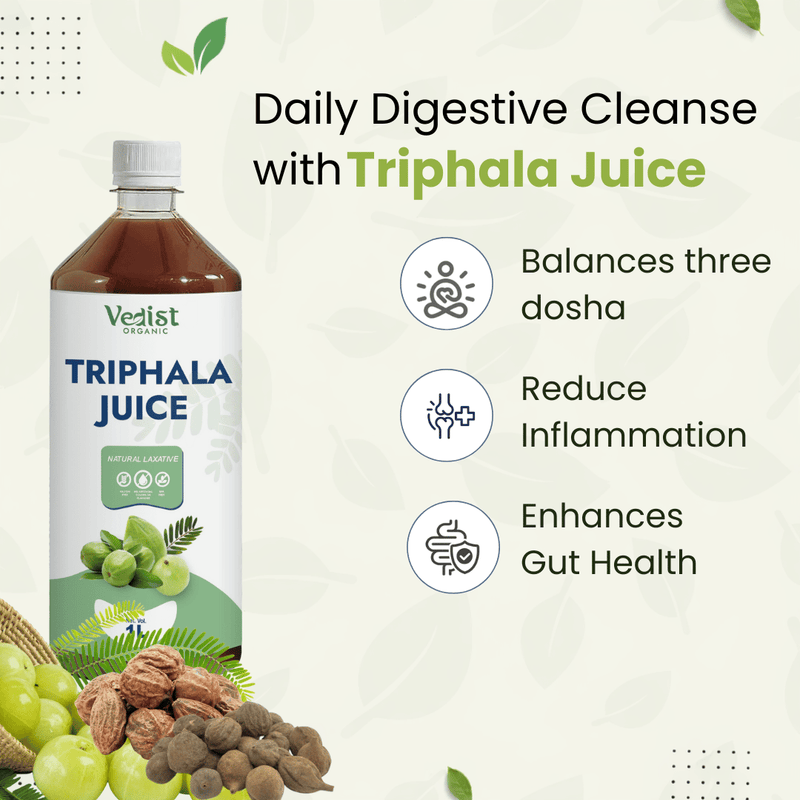
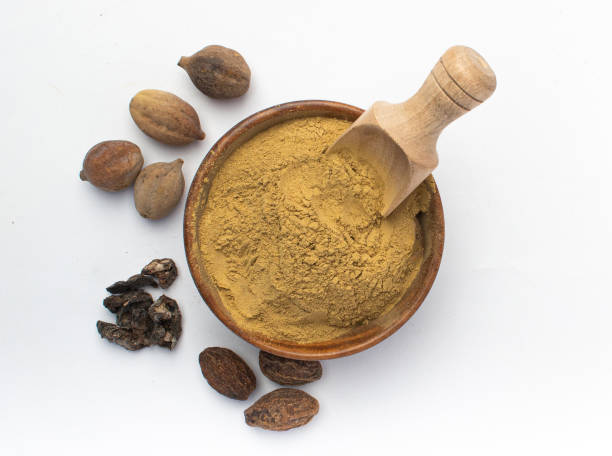
- Triphala, which balances digestion and supports smooth bowel movements
- Aloe Vera juice, which hydrates and gently cleanses the gut
- Amla (Indian Gooseberry), which enhances metabolism and improves long-term digestive health
These herbs work synergistically to restore bowel regularity and maintain gut balance.
Exercise and Movement
Physical activity stimulates intestinal contractions and improves bowel function. Recommended practices include:
- Walking for 20 to 30 minutes daily
- Yoga poses such as Pawanmuktasana, Vajrasana, and Paschimottanasana
- Stretching and light exercises to enhance circulation and gut motility
When to See a Doctor
Although most cases of constipation can be managed naturally, medical attention is necessary if symptoms persist. See a doctor if you experience:
- Constipation lasting more than three weeks
- Blood in the stool or black, tarry stools
- Unexplained weight loss or fatigue
- Severe abdominal pain or cramping
Prompt consultation helps rule out underlying medical conditions such as hypothyroidism, IBS, or more serious gastrointestinal disorders.
Ayurvedic Perspective: Healing Digestion from Within
In Ayurveda, constipation is called Vibandha and is often attributed to an imbalance in Vata, the dosha that governs movement in the body. When Vata is aggravated, digestion slows, resulting in hard stools and irregular bowel movements.
Ayurvedic practices to support digestion include:
- Drinking warm water immediately after waking
- Eating a light dinner to avoid heavy evening meals
- Practicing meditation, deep breathing, or other stress-relieving routines
- Using natural herbs like Triphala, Aloe Vera, and Amla to stimulate digestion
Balancing Agni, the digestive fire, and Vata promotes smooth bowel movements, long-term gut health, and overall wellness.
Prevention: Build a Gut-Friendly Lifestyle
Preventing constipation is easier than treating it. Focus on:
- Consuming 25 to 35 grams of fiber daily
- Drinking at least 2 to 3 liters of water each day
- Responding promptly to natural bowel urges
- Maintaining consistent meal schedules
- Incorporating herbal support and natural detox routines
Consistency in diet, hydration, and lifestyle is key to preventing recurrent constipation.
The Vedist Organic Way to Better Digestion
Vedist Organic provides 100% natural Ayurvedic solutions to promote digestive health and relieve constipation naturally.
Why choose Vedist Organic
- Certified organic products sourced directly from farmers
- Herbal, sugar-free, and chemical-free formulations
- Safe, effective, and designed to support long-term wellness
Ayurvedic remedies for constipation
- Triphala Juice to support smooth digestion and regular bowel movements
- Aloe Vera Juice to hydrate and gently cleanse the gut
- Amla Juice to enhance metabolism and support long-term digestive health
Vedist Organic combines Ayurvedic wisdom with natural ingredients to ensure safe and effective relief from constipation while promoting overall gut health.
Read Our Latest Blog
How to Increase Stamina | Yoga Poses for Constipation | How to Boost Sexual Stamina | Stamina Booster Food | How to Build Stamina | How to Increase Stamina Naturally | How to Increase Sex Stamina for Male | How to Check Testosterone Level | Increase Testosterone | How to Increase Testosterone in Men
Frequently Asked Questions
Q1. What causes constipation in adults?
Ans: Constipation in adults is most often caused by low fiber intake, insufficient water consumption, sedentary lifestyle, certain medications, and stress. Understanding these factors helps in preventing and managing constipation naturally.
Q2. Can stress cause constipation?
Ans: Yes. Stress and anxiety can slow down the digestive system and reduce intestinal motility, leading to constipation. Stress management, regular sleep, and relaxation techniques are important to maintain healthy bowel movements.
Q3. Is Triphala effective for relieving constipation?
Ans: Triphala is a traditional Ayurvedic herb known for promoting smooth digestion and regular bowel movements. Regular use of Triphala supports natural gut motility and helps relieve chronic constipation safely.
Q4. How much water should I drink to prevent constipation?
Ans: Drinking at least 2 to 3 liters of water daily is recommended to prevent dehydration, soften stool, and maintain healthy bowel movements. Water intake should be adjusted based on activity level and climate.
Q5. Does exercise improve bowel movements?
Ans: Yes. Physical activity stimulates the intestines and promotes peristalsis. Walking, stretching, and yoga are especially effective in supporting regular bowel movements and overall digestive health.
Q6. Why is constipation common during pregnancy?
Ans: Hormonal changes during pregnancy slow digestion, while pressure from the growing uterus can affect bowel movement. Eating fiber-rich foods, staying hydrated, and gentle exercise can help alleviate constipation during pregnancy.
Q7. When should I consult a doctor for constipation?
Ans: Consult a doctor if constipation persists for more than three weeks, or if you notice blood in your stool, unexplained weight loss, severe abdominal pain, or other alarming symptoms.
Q8. Are there natural remedies for long-term constipation relief?
Ans: Yes. Incorporating a high-fiber diet, drinking sufficient water, regular exercise, stress management, and Ayurvedic herbs like Triphala, Aloe Vera, and Amla provide effective long-term relief from constipation.