Hypertension is a chronic condition that usually requires multi-faceted management. Blood pressure levels can be influenced by a number of factors, including stress, sleep, exercise, diet, body weight, age, and genetics.
Ayurvedic medicine is thus a holistic discipline that incorporates herbs, nutrition, physical activity, lifestyle and stress-management, blood pressure monitoring in the management of this chronic condition.
In this blog, you will learn:
What Ayurveda traditionally says about high BP
Why a long-term management approach is important
The key ayurvedic herbs used for heart and BP wellness
How to choose the right BP care combo
Ayurvedic Medicine for high BP: Ayurvedic Viewpoint on Managing BP
Traditional Ayurveda speaks of various bodily imbalances and the importance of living in harmony with the environment. While traditional Ayurveda does not explicitly mention the modern medical condition of hypertension, Ayurvedic medicine emphasizes the need to take care of the overall well-being.
This is why a long term approach is the cornerstone philosophy in addressing chronic problems like hypertension.
When it comes to ayurvedic medicine for high BP, it is important to note that herbal products should always be seen as a complement and not a replacement for a balanced diet, regular exercise, a good sleep schedule, and the regular monitoring of BP levels as recommended by a qualified practitioner.
A long-term management approach for hypertension includes:
Following a proper diet that is rich in nutrients but low in salt and unhealthy fats
Maintaining a proper weight through regular exercise
Getting enough sleep and avoiding unnecessary stress
Keeping a tab on BP levels
Lifestyle and dietary modifications in ayurvedic medicine are meant to complement the management plan advised by a physician. The use of ayurvedic medicine for high BP should thus always be guided by the proper medical supervision.
Ayurvedic Medicine for high BP: Why a Long Term Approach to BP Management Matters

It is normal for blood pressure to fluctuate throughout the day. In fact, a single high reading does not necessarily mean that a person has high blood pressure. As such, a long-term management approach is necessary to ensure readings remain within a healthy range.
A long-term approach helps in minimizing the risks to the heart and other body organs associated with consistently high BP. It is thus the kind of sustained approach that ayurvedic medicine for high BP can provide as a complement to the overall management plan.
Ayurvedic herbs are traditionally used to complement other approaches rather than being viewed as a quick fix solution.
Healthy habits that last for months and years have a much more significant impact on something like BP as compared to fast solutions adopted over a short duration. Ayurvedic medicine for high BP, when used in conjunction with a balanced diet and regular exercise, can be a great lifestyle addition to enhance cardiovascular wellness.
Ayurvedic Herbs Traditionally Associated With BP and Heart Wellness
Several herbs are traditionally used in Ayurvedic wellness practices. Different herbs have different traditional applications, and their suitability can vary from person to person.
|
Ayurvedic Herb |
Traditional Wellness Focus |
Why It May Be Considered |
|
Arjuna |
Heart and cardiovascular support |
Traditionally associated with heart strength and circulation |
|
Sarpagandha |
Calmness and blood-pressure support |
Traditionally known for its calming properties |
|
Jatamansi |
Relaxation and mental wellness |
Traditionally used to support calmness and restful sleep |
|
Shankhpushpi |
Stress and mental relaxation |
Traditionally associated with cognitive and calming support |
|
Bach |
Traditional herbal wellness |
Used in traditional formulations for nervous-system and overall wellness |
|
Moringa |
Nutritional and general wellness support |
Provides a range of naturally occurring nutrients |
These herbs are not interchangeable, and natural does not automatically mean suitable for everyone. People taking prescription medicines should discuss herbal products with a qualified healthcare professional before adding them to their routine.
Arjuna - The Heart Herb in Ayurveda
When it comes to Ayurvedic medicine for high BP, Arjuna is one of the most widely-used herbs in traditional Ayurvedic medicine for managing heart conditions. The bark of the Arjuna tree has been used to prepare various traditional remedies for the heart and circulatory system.
As such, Arjuna is often one of the most important elements in ayurvedic medicine for high BP. But it should once again be highlighted that ayurvedic herbs are not a magic remedy that can solve all problems.
Every person's situation is different and as such, different people may find that different combinations work better for them. Arjuna should thus always be used as part of a broader strategy for the management of high BP readings.
Sarpagandha and the Role of Stress Reduction
Stress is an important contributor to high BP. Sarpagandha has been traditionally used in Ayurvedic medicine for the management of stress-related conditions.
This is one of the reasons why Sarpagandha finds its way into discussions about ayurvedic medicine for high BP.
Sarpagandha has strong sedative properties and can, if not used with caution, interact with several medications. As such, consulting a physician before using Sarpagandha is essential, particularly for people using existing medications for managing BP or stress-related conditions.
Jatamansi and Shankhpushpi - Traditional Remedies for Stress and Sleep Support
One of the most important pillars of a healthy lifestyle is good sleep. Proper sleep hygiene is essential for managing stress and minimising the impact of stress on the body. Two ancient herbs commonly used in Ayurveda are Jatamansi and Shankhpushpi.
A combination of these two can be very effective when it comes to managing stress. As such, a formulation containing these two could be a viable option for people who are exploring ayurvedic medicine for high BP.
Ayurvedic Approach vs. Quick-Fix Solutions
One of the major differences between a long-term wellness approach and a quick-fix mindset is consistency.
|
Quick-Fix Mindset |
Long-Term Ayurvedic Wellness Approach |
|
Focuses on immediate results |
Focuses on consistent habits |
|
May ignore lifestyle factors |
Includes diet, activity and stress management |
|
Looks for a single solution |
Considers multiple contributing factors |
|
May stop after symptoms change |
Encourages continued monitoring |
|
Often lacks personalization |
Can be adapted with professional guidance |
When choosing ayurvedic medicine for high bp, consumers should therefore look beyond attractive claims and evaluate the ingredients, formulation, manufacturer, usage instructions, quality standards, and suitability for their individual circumstances.
Ayurvedic Medicine for high BP: Lifestyle Habits to Complement Ayurvedic Wellness

Herbs are only one part of a much bigger picture. In addition to the use of Ayurvedic herbs, it is important to pay attention to the other key contributors to high BP.
1. Cutting back on excess salt
High salt levels in the body can raise BP in some people. As such, it is best to limit the amount of salt in the diet and reduce the consumption of highly processed foods.
2. Staying physically active
A sedentary lifestyle is a major contributor to high BP. Walking, yoga, swimming, and other physical activities that get the body moving are important in managing high BP.
3. Getting enough sleep
Lack of sleep can have a detrimental effect on the body. As such, getting enough high-quality sleep on a regular basis is essential for overall wellbeing.
4. Managing stress
Stress is an important contributor to high BP. Meditation, deep breathing exercises, yoga, and other relaxing activities can help reduce stress levels.
5. Monitoring BP
Keeping track of BP readings is important for effective management of high BP.
These everyday activities can complement the use of ayurvedic medicine for high BP for enhanced wellness.
Ayurvedic Medicine for high BP: Choosing an Ayurvedic BP Care Product
Not all BP care products are created equal. When purchasing ayurvedic medicine for high BP, it is important to look at a number of factors before making a purchase decision.
Some of the most important considerations include:
Ingredient transparency: The product should clearly state its ingredients
Quality: Choose a product that uses high-quality ingredients
Directions: Make sure that the instructions for use are easy to understand
Avoid exaggerated claims: Always avoid products that make unrealistic claims
Medical supervision: Always consult a medical professional before using any ayurvedic medicine for high BP, especially if you are already on other medications
Ayurvedic medicine should not be used as a direct substitute for prescribed BP medication, unless explicitly recommended by a medical professional.
Can Ayurvedic Medicine Replace BP Medicines?
This is perhaps the most important question asked by anyone considering ayurvedic medicine for high BP. Unfortunately, there is no simple yes or no answer to this question.
The safest answer is that an herbal product should not be considered as a direct replacement for prescribed BP medicines.
If you are on BP medication, make sure to continue taking it as prescribed by your doctor. Do not stop or reduce the dosage without consulting a medical professional, as it can be very dangerous.
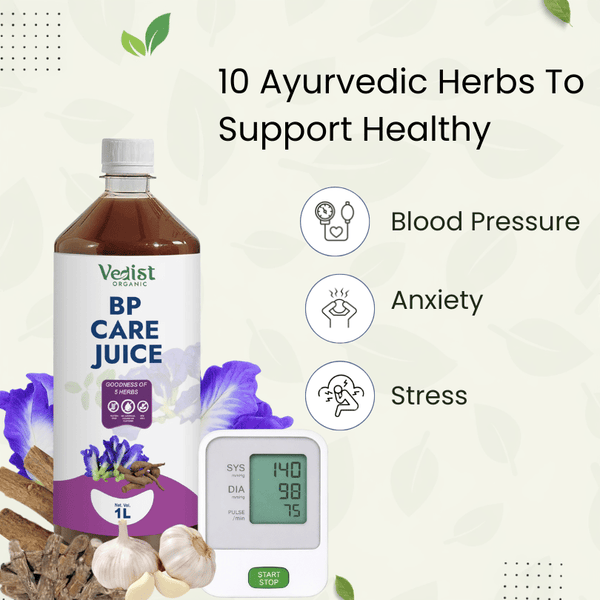
Vedist Organic BP Care Combo
Vedist Organic has its BP Care Combo that contains BP Care Juice along with Arjun Chhal Powder. According to Vedist Organic, the combo contains traditional herbs like Sarpagandha, Bach, Jatamansi, and Shankhpushpi, in addition to Arjun Chhal Powder. Vedist Organic describes their range of herbal products as being 100% natural, Ayurvedic, and made with natural goodness for the body.
Vedist Organic's BP Care Combo is ideal for people who are interested in enhancing their wellness with traditional herbal ingredients and want to explore ayurvedic medicine for high BP.
The combo claims to target multiple wellness areas, including BP management, circulation support, stress and anxiety reduction, sleep aid, and heart wellness.
It is important to remember that ayurvedic medicine for high BP is meant to be used as a complement and not a replacement for a healthy lifestyle.
A healthy diet rich in nutrients and low in salt and unhealthy fats, regular physical activity, sufficient and good quality sleep, and BP monitoring are all essential for the management of high BP. Anyone currently taking medication for high BP, or who is pregnant or breastfeeding, should always consult their doctor before using any BP care product.
Ayurvedic medicine for high BP should always be used as a complement to the overall management strategy for hypertension, and should not be seen as a substitute for regular medical care and monitoring.