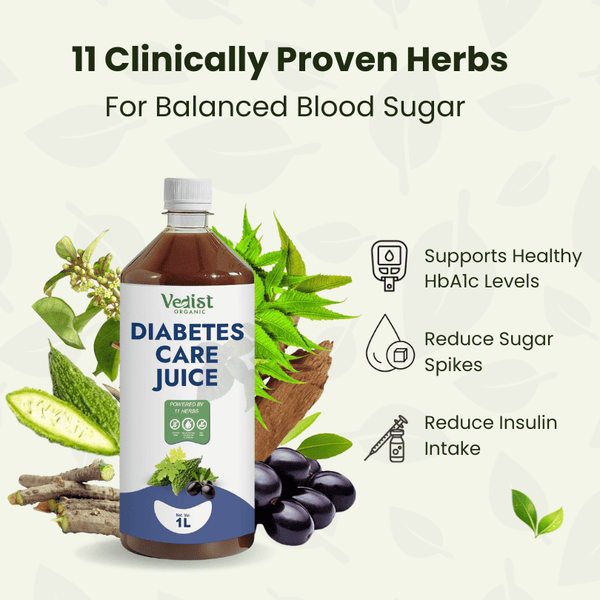
Controlling blood sugar levels is an intricate process, and some may be tempted to use unconventional methods to ensure glucose levels remain within the normal range. Ayurveda is an alternative system of medicine that utilizes diet, herbal supplements, and even lifestyle changes to allow the body to carry out its metabolic processes effectively. As such, people have turned to Ayurvedic medicine for sugar control as a viable option for managing their condition.
It is important to note that although some herbs have been proven effective in clinical settings, they are not a replacement for conventional treatment and management options. Not to mention, the effectiveness of different herbal supplements varies, and anecdotes should not be used as a basis for one’s treatment plan.
The following is a guide to Ayurvedic medicine for sugar control, including a list of the benefits and considerations for the various herbal supplements and lifestyle changes that can help balance blood sugar levels.
Ayurvedic Medicine for Sugar Control: Overview
The body obtains glucose from food and utilizes it during the metabolic process. Some individuals, however, are unable to utilize blood sugar due to ineffective metabolic processes. The traditional system of medicine views the human body as a mechanism that functions based on its ability to process food and other substances. Ayurveda recommends a series of lifestyle changes, dietary restrictions, and herbal supplements that allow the body to carry out its processes effectively. It is important to note that Ayurvedic medicine for sugar control is not a stand-alone option for diabetes management and should be used alongside a balanced diet, exercise, and medication, where applicable.
Herbs and How They Help Balance Blood Sugar Levels
Several herbs have been studied and proven to help the body maintain balanced levels of glucose. The table below includes the most commonly recommended herbal supplements in Ayurvedic medicine for sugar control:

Research into these botanicals continues, but current evidence does not support presenting any single herb as a proven cure for diabetes.
Gymnema: Overview
Gymnema, also known as Gurmar, is a well-known herb in the field of Ayurveda. It has been traditionally used to help the body manage blood sugar levels and has received its nickname “destroyer of sugar” for its ability to reduce the perception of sweetness. Modern science has proven that Gymnema suppresses the ability of the intestines to break down sucrose, but the evidence should be considered when deciding whether to incorporate this herbal supplement into one’s treatment plan. Ayurvedic medicine for sugar control utilizes Gymnema as one of the primary supplements for managing blood sugar levels; however, it is important to speak with a medical professional before taking this herb alongside other medication.
Fenugreek: Overview
Fenugreek, also known as Methi, is a herb that has been traditionally used in Indian cooking and medicine. Researchers have studied the effect of this herb on blood sugar levels, and although preliminary evidence suggests that the fiber in Fenugreek helps the body manage blood sugar levels, the effectiveness of this herbal supplement has yet to be proven conclusively. Not to mention, Fenugreek may cause unwanted side effects when taken in larger doses, and it is crucial to speak with a medical professional before incorporating Ayurvedic medicine for sugar control into one’s treatment plan.
Bitter Melon: Overview
Bitter melon, also known as Karela, has been cultivated in Asian countries for centuries and has been used as food. Researchers have studied the effect of this vegetable on blood sugar levels, and the evidence suggests that it has varying effects on the metabolic process. Some studies have found that the compounds found in Karela help the body manage blood sugar levels, while others have found no significant effect on blood sugar levels. It is advisable to speak with a medical professional before taking Karela, as it may interfere with diabetes medication.
Cinnamon and Other Common Herbs
Cinnamon has been used as both a medicinal and a culinary spice for centuries. Studies have found that this common spice helps the body manage blood sugar levels and support the production of insulin, but the evidence is inconclusive. Several other herbs can have a similar effect on blood sugar levels, but they should not be used as a substitute for conventional treatment.
Ayurvedic Medicine for Sugar Control: Summary
Herbs have the potential to be very effective in managing blood sugar levels, but they should not be relied on exclusively to manage diabetes. The following strategies can help people maintain healthy levels of glucose in the body:
1. Eating healthy meals that are high in fiber when needed.
2. Maintaining a healthy weight.
3. Getting enough exercise.
4. Getting enough sleep.
5. Taking medication when needed.
6. Monitoring blood sugar levels when needed.
In addition to these strategies, Ayurvedic medicine for sugar control can help maintain the balance of glucose in the body.
Choosing the Right Herbal Supplements
With the increased popularity of alternative medicine, the market has seen a surge in the availability of herbal supplements. As such, it is important to make educated choices when purchasing products and services, as different people have different requirements. It is advisable to conduct research on the possible effects and side effects of various herbal supplements and consult medical professionals before making any decisions. Moreover, it is crucial to be wary of sellers who make exaggerated claims, such as cures for diabetes and reduced need for medication, as these are red flags that indicate possible scams. It is important to note that health authorities advise against using unproven treatment methods because they may end up causing more harm than good.
It is also important to speak with a medical professional before using herbal supplements in conjunction with other medication, particularly insulin. The combined effect of some supplements and medication may be very dangerous, and the impact of different substances on blood sugar levels must be taken into consideration before making any changes to one’s treatment plan.
Can Ayurveda Be Part of a Long-Term Wellness Plan?
Ayurveda offers numerous benefits and has been recommended for a wide range of health conditions. When it comes to managing blood sugar levels, Ayurvedic medicine for sugar control makes several suggestions that can help people live healthier lives. These recommendations are based on each individual’s unique condition and lifestyle, which is why it is advisable to consult a medical professional before making any drastic changes to one’s treatment plan. Speaking with a specialist can help one find the most suitable herbal supplements, develop a diet and exercise plan that promote metabolic health, and eventually balance blood sugar levels.
A Simple Guide to Incorporating Ayurveda Into Daily Life
For those who are new to Ayurveda, the easiest way to incorporate this system into one’s lifestyle is to start with simple changes, such as eating healthier food and exercising regularly. In addition to discussing dietary and lifestyle changes with a specialist, one may also speak with their doctor about Ayurvedic medicine for sugar control and other ways of managing blood sugar levels. This way, people can be assured that they are making the right choices when it comes to making changes to their treatment plan.
The Right Attitude Towards Ayurvedic Medicine for Sugar Control
Although Ayurveda has its benefits, it is important to use it wisely, as natural herbs and substances can be very harmful when used inappropriately. Different herbs have been proven to be effective in managing blood sugar levels, while others require further research to be deemed safe and effective. As such, people must use Ayurvedic medicine for sugar control responsibly and as a complement to conventional treatment, and it is crucial to consult medical professionals before making any changes to one’s treatment plan.