While the modern lifestyle may be comfortable, it is also extremely taxing on the human body. Work, screens, stress, an unhealthy diet, lack of sleep and physical activity are only some of the reasons why the human body needs support. Specifically, blood pressure should get special attention.
An increasing number of people are now choosing ayurvedic treatment for blood pressure as a complement to their lifestyle. Ayurveda includes a wide variety of traditional herbal medicines for the health, mind, and soul of a human being. Some of the most popular herbs in Ayurveda recommended for the cardiovascular system, stresses, and poor mental state are Arjun Chhal, Sarpagandha, Jatamansi, Bach, Shankhpushpi.
However, high blood pressure should not be taken lightly, and herbal medicines are not the final solution. A responsible lifestyle choice, along with special attention to the current medications, is the best way to deal with hypertension.
Blood Pressure and Modern Lifestyle
The term blood pressure refers to the force that blood exerts on the walls of major arteries. A blood pressure reading consists of two values, the first of which, the systolic one, represents the pressure in arteries during the contraction of the heart muscle, while the second, the diastolic one, reflects the pressure in the arteries during the relaxation of the heart muscle. Having a high blood pressure reading, or, more specifically, hypertension, substantially increases the risks of cardiovascular diseases.
A stressful lifestyle, lack of sleep, increased sodium intake, physical inactivity, obesity, tobacco abuse, and an unhealthy diet are only some of the reasons why modern people are experiencing hypertension. Therefore, ayurvedic treatment for blood pressure should not be seen as a quick solution, but as a step towards a healthier lifestyle. Ayurveda views humans as holistic entities, meaning that the health of the body is closely connected with the health of the mind and spirit. Therefore, it is essential to use a complex approach to treating hypertension in order to ensure not only the improvement of the physical state but also the mental well-being.
Ayurvedic Medicine and Holistic Approach
Ayurveda is a traditional system of medicine that prioritizes wellness by focusing on a holistic approach to human health. Ayurveda views the human body, mind, and spirit as interconnected entities that need to be carefully balanced in order to achieve full wellness. Unlike the prevalent western approaches to medicine, Ayurveda emphasizes the importance of considering a disease from multiple angles rather than treating its individual symptoms.
The same goes for the ayurvedic treatment for blood pressure, as a condition like hypertension always requires a comprehensive solution. Following an ayurvedic lifestyle in combination with the use of herbal medicines is the best way to improve one’s physical state and cure hypertension.
It is essential to keep in mind that herbal medicines should only be used as a supplement to a healthier lifestyle and that the treatment should be taken responsibly. In the context of the ayurvedic treatment for blood pressure, some approaches may interfere with other medications. Therefore, it is always important to consult with medical professionals when choosing which herbs to use as supplements.
Five Traditional Herbs Used for Stress, Anxiety, Sleep
The following herbs have a long history of traditional use and are commonly discussed in relation to Ayurvedic wellness.
|
Herb |
Traditional Association |
Role in a Wellness Routine |
|
Arjun Chhal |
Traditionally associated with heart and cardiovascular wellness |
Used in traditional preparations focused on heart support |
|
Sarpagandha |
Traditionally associated with calming and blood-pressure-related wellness |
Traditionally used in specific Ayurvedic preparations |
|
Jatamansi |
Traditionally associated with relaxation and mental calmness |
May be included in traditional stress-support routines |
|
Bach |
Traditionally associated with mental clarity and nervous-system wellness |
Used traditionally in various Ayurvedic preparations |
|
Shankhpushpi |
Traditionally associated with calmness and cognitive wellness |
Commonly discussed as part of traditional mind-and-relaxation practices |
These traditional associations do not mean that the herbs can independently treat or cure hypertension. Their use should always be considered in the context of individual health needs and professional guidance.

Arjun Chhal and Traditional Medicinal Uses
Arjun Chhal is a popular ayurvedic preparation made from the bark of the Arjuna tree. It is traditionally used for the health of the heart. Arjun Chhal has been used for centuries in traditional medicine for the health of the cardiovascular system. Given the traditional uses of Arjun Chhal for the circulatory system, it is often used in the ayurvedic treatment of blood pressure.
When it comes to the ayurvedic treatment for blood pressure, it is vital to consult with medical professionals in order to understand whether Arjun Chhal is suitable for the individual’s health conditions and determine the adequate dosage. The use of Arjun Chhal should not replace the standard medication for people with hypertension, as it may be extremely dangerous for people with diagnosed cardiovascular diseases. Therefore, Arjun Chhal should not be used by people with heart diseases and those who are on heart medications due to the strong effects on the circulatory system.
Sarpagandha And Traditional Medicinal Uses
Sarpagandha is a traditional ayurvedic herb used for its calming effects and the reduction of blood pressure. Sarpagandha has a traditional history of use in medicine for the treatment of stress-related conditions. Sarpagandha is used in the traditional ayurvedic treatment of blood pressure for its positive effects on the circulatory system and overall health.
It is essential to keep in mind that the use of Sarpagandha is traditional, meaning that it is important to use the preparation under the care of medical professionals. Due to its strong effects on the body, this herb is not recommended for self-treatment, even though it may have a number of beneficial effects on people with high blood pressure.
Jatamansi And Traditional Medicinal Uses
Jatamansi is traditionally used in Ayurveda for its ability to relieve stress. In the context of the modern lifestyle, stress and lack of rest are some of the major causes of hypertension. Therefore, the traditional uses of Jatamansi may be of great importance when it comes to the ayurvedic treatment for blood pressure.
When it comes to the uses of Jatamansi for the ayurvedic treatment of blood pressure, it is essential to keep in mind that developing a healthier lifestyle is the most important aspect of combating stress. While the use of herbal medicines may have a number of beneficial effects, it is vital to include relaxation activities in the daily routine. These activities may include evening walks, adequate sleep, and a physically active lifestyle.
Additionally, people with hypertension should consider limiting their exposure to screens and ensure that they have a good sleep schedule and a balanced diet. Maintaining an appropriate weight and limiting sodium intake are also important for people with high blood pressure.
Bach And Traditional Medicinal Uses
Bach, or Vacha, is a traditional herb used in Ayurveda for its beneficial effects on the mind. Bach has a traditional history of use in medicine for the treatment of a wide range of conditions. This herb is traditionally used in the context of mental health and wellbeing. Therefore, it may be used within the framework of the ayurvedic treatment for blood pressure.
When it comes to the ayurvedic treatment for blood pressure, Bach is a great addition to a healthier lifestyle due to its traditional use for the reduction of stress. It is essential to keep in mind that this herb should only be used under the supervision of medical professionals, as it may have strong effects on the body. Ayurvedic treatments should not be used as a substitute for standard medications for hypertension, as the management of the condition requires a comprehensive approach.
Shankhpushpi And Traditional Medicinal Uses
Shankhpushpi is a traditional herb used in Ayurveda that has a variety of traditional uses. It is traditionally used for relaxation and the health of the mind. Shankhpushpi is used for the treatment of stress-related conditions and is often prescribed for people with mental health issues.
In the context of the ayurvedic treatment for blood pressure, Shankhpushpi may be recommended as a supplement for a healthier lifestyle. This is because Shankhpushpi has traditional uses for the reduction of stress and the improvement of the mind’s wellbeing. The traditional use of Shankhpushpi for the treatment of mental health conditions may have a positive impact on people with hypertension, as stress is one of the major causes of high blood pressure. However, when it comes to Shankhpushpi and its traditional uses, it is essential to remember that this herb should not replace standard treatment for hypertension.
Other Considerations for Healthy Blood Pressure
Herbs are only a small part of healthy blood pressure maintenance. A responsible and healthier lifestyle, including a balanced diet, physical activity, sleep, stress management, and other essential activities for wellbeing, is vital for the maintenance of healthy blood pressure levels.
Physical Activity
Physical activity is extremely important, as it is beneficial for almost all systems in the body. It is crucial to include physical activities in the daily routine in order to stay healthy. Individuals can choose any type of activity that they feel comfortable with and that strengthens the body without putting too much strain on it.
Diet
A heart-healthy diet that is low in cholesterol and sodium is essential for the wellbeing of the cardiovascular system. It is vital to minimize the intake of processed foods, as they often have increased levels of sodium, which is detrimental to the circulatory system. It is also essential to eat enough healthy foods in order to provide the body with all the necessary vitamins and nutrients.
Sleep
The physiological functions of the human body are closely related to sleep and the quality of rest. A lack of healthy sleep and an inadequate sleep schedule may damage the endocrine system and disrupt the body’s homeostasis. Therefore, it is crucial to establish a healthy sleep pattern and allow the body to rest in order for it to function properly.
Stress
An unhealthy lifestyle, including stress and a lack of rest, is one of the major causes of hypertension. Stress levels have increased substantially throughout the past decade due to the prevalence of screens in everyday life.
The best way to reduce stress is to develop effective coping mechanisms and ensure that psychological wellbeing is prioritized. It is essential to take the mental health seriously and seek professional help when needed. Deep breathing exercises or physical activities like walking can be extremely effective stress relievers that would positively impact blood pressure levels.

Monitoring Blood Pressure
It is important to keep track of blood pressure, especially when there is a possibility of hypertension. The regular testing of blood pressure is necessary in order to ensure that the circulatory system is operating normally. It is essential to pay attention to this matter and consult medical professionals when needed.
These are some of the most important considerations for maintaining healthy blood pressure levels. They are also extremely important in the context of the ayurvedic treatment for blood pressure, as they represent a complex approach to the management of hypertension.
Can Herbal Medicines Replace Blood Pressure Medications?
Herbal medicines cannot replace prescribed drugs for treating high blood pressure. In most cases, medication is necessary for people with hypertension, as it significantly reduces the risks of cardiovascular diseases. The use of herbal medicines in combination with standard treatment can be beneficial for health, but it should be done responsibly.
It is essential to keep in mind that when the ayurvedic treatment for blood pressure is used in combination with medications, it should be done under the supervision of medical professionals. The use of both can be highly detrimental when not used responsibly.
As mentioned above, herbs and traditional medicines should only be used as a complement to a healthier lifestyle. This goes for ayurvedic treatment for blood pressure, as it should only be used as a supplement to a healthier lifestyle. The same goes for the use of medication for hypertension, as it is essential to prioritize the health of the circulatory system.
It is vital never to self-prescribe drugs or herbal medicines, as it can be extremely dangerous to the health. In the case of the ayurvedic treatment for blood pressure, the use of some preparations may interfere with the effects of other medications, thus eliminating their beneficial effects. It is always important to consult with medical professionals when considering the use of ayurvedic medicines alongside standard treatment.
For instance, while Sarpagandha has traditional uses in the treatment of hypertension, it cannot be used irresponsibly as it can be detrimental to health. This is especially true for older people and those with diagnosed cardiovascular diseases. It is essential to consult with healthcare professionals when considering the use of any herbal medicines for the treatment of hypertension.
When it comes to the ayurvedic treatment for blood pressure, it is important to understand the potential risks and only use these medicines when they are beneficial for health. This goes for the use of Sarpagandha, as it should not be used by people with heart diseases. A responsible and careful approach to the ayurvedic treatment for blood pressure is vital in order to ensure wellbeing and prevent serious health issues.
When considering alternative treatments for hypertension, it is essential to consult medical professionals in order to avoid potentially dangerous interactions. This is especially true for people who are already on medications for high blood pressure, as the combined use of the ayurvedic treatment for blood pressure and prescription drugs can be harmful. It is also essential to speak with healthcare providers when considering the replacement of standard medications with herbal medicines. This is vital when taking other medications alongside ayurvedic treatment, as different preparations often interact with each other in unpredictable ways.
Choosing an Ayurvedic Medicine
When choosing an ayurvedic medicine, it is essential to prioritize preparations with high-quality ingredients. It is also crucial to pay attention to the specific instructions, ensuring that the chosen preparation has relevant information on its effects and the rules of use. Never buy questionable medicines that promise to quickly reduce blood pressure or cure hypertension, as the process of combating the condition is complex and slow.
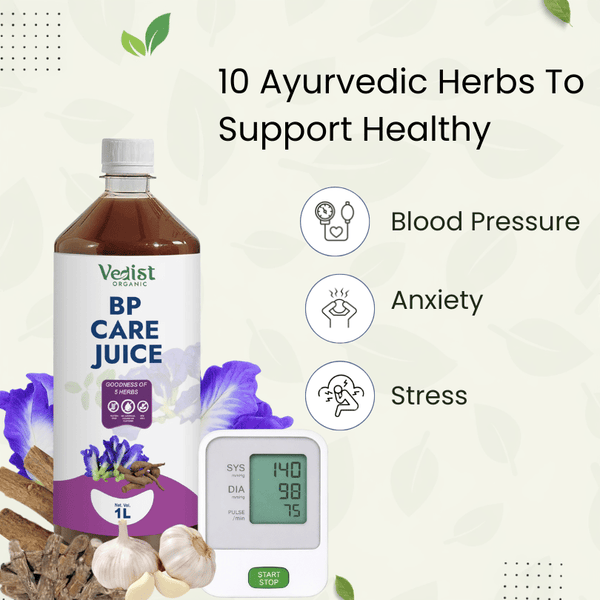
Vedist Organic BP Care
People who are interested in ayurvedic treatment for blood pressure may want to consider Vedist Organic BP Care, as it is a preparation that supports overall wellbeing. Vedist Organic BP Care falls under the category of herbal medicines for blood pressure, meaning that it should only be used as a complement to a healthier lifestyle. It is essential to consult medical professionals when considering the use of Vedist Organic BP Care, as this herbal medicine is not a complete solution for hypertension. Maintaining healthy blood pressure is a slow and responsible process that requires a lot of effort and care. This goes for both the standard medications and the traditional medicines like Vedist Organic BP Care.

Final Thoughts
People are choosing ayurvedic treatment for blood pressure, which often involves the use of herbal medicines. Ayurveda suggests that health should be viewed as a holistic concept, meaning that it should be carefully maintained.
Arjun Chhal, Sarpagandha, Jatamansi, Bach, Shankhpushpi, are some of the most popular herbs in traditional medicine used for the treatment of hypertension. However, they should only be used as a complement to a healthier lifestyle and never as substitutes for standard treatment. When it comes to the management of blood pressure, a responsible and balanced approach to health is the best solution for a long-term improvement of wellbeing.