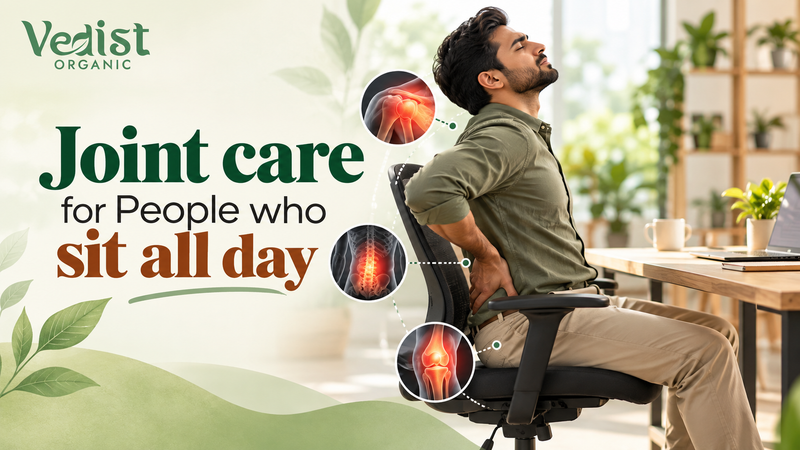
Do your knees, hip joints, or ankles start hurting as soon as you sit for a long time? Do you have to get up every hour or so and walk somewhere close to relieve the discomfort? It is most probably due to joints becoming stiff after sitting for a prolonged period of time. Even if it is not the case, you should still determine why your joints hurt after sitting since there may be several reasons for this and you should consider all of them, as well as what you can do to get rid of the pain. Below are 9 possible reasons why your joints hurt after sitting and what you can do about it.
Possible Reasons Why Your Joints Hurt After Sitting
1. Sitting for a Long Time
As long as you have to sit, the best thing you can do for your joints is to get up every once in a while and do some simple exercises. In case your job or the transportation you use requires you to sit for a long time, it is vital that you do some simple exercises every hour or even every few minutes if possible. As for other measures that can help, you will find out below.
When you sit for a prolonged period of time, your joints and the muscles around them can become stiff, which will lead to discomfort as soon as you get up. However, this does not mean that sitting for a long time is unhealthy since you have to do it at least a little every day in order to be able to work. Nevertheless, your joints should not hurt you after you sit for too long, which is why it is important to get up and do some simple exercises.
2. Weak Muscles
If you want to keep your joints in good shape, you should take care of your muscles as well. In particular, you should do some exercises to make your thigh and hip muscles stronger because in other cases, they will fail you when you have to move, which will cause your knee joints to hurt when sitting for a long time. Another sign that your thigh muscles are too weak is that it is hard for you to get up from a sitting position.
The best thing you can do in this case is to do some special exercises to make your thigh and hip muscles stronger. However, the type of exercises and their difficulty will depend on your current condition and whether you have any other injuries as well.
3. Arthritis and Age
Arthritis can cause the affected joints to hurt, swell, and become stiff. This means that there is a possibility that your joints hurt after sitting for a long time because of this condition as well. One of the reasons why arthritis occurs is because of age, although it does not necessarily mean that you will develop it when you get old. If your joints hurt after sitting for a long time and there is no other reason for it, it is advisable that you consult a rheumatologist.
4. Sitting in the Wrong Position
The position you sit in also makes a difference in whether or not your joints will hurt after you sit for a long time. For example, when you sit cross-legged or with your knees bent, they can become stiff after you sit for a while. The best thing you can do in this case is to avoid sitting in one position for too long. If you have to sit for a prolonged period of time, you should try to do it in a comfortable position on a comfortable seat with your feet touching the floor, as well as change positions every hour.
If your joints hurt after sitting in one position for a long time, they should stop hurting after you sit in a different position for a while. If they do not, you should know what the problem is and how you can deal with it.
5. Previous Injuries
If you have suffered from a sports injury, ligament damage, tendonitis, cartilage damage, or any other injuries before, it is possible that your joints are permanently damaged, which can cause them to hurt after you sit for a long time. If your joints hurt after sitting for a long time and you do not know why, it is a good idea that you try to figure it out. After all, in the case of previous injuries, you may have damaged more than one joint.
When you have suffered from a sports injury or a surgery, your body can become inflamed in the part where the injury or surgery was. If this is the case, you should contact a doctor instead of trying to figure it out on your own. The same goes for other injuries or accidents that could have permanently damaged your joints, such as a bad fall.
6. Extra Weight
Your hips, knees, and ankles are the joints that bear the majority of your weight when you sit or walk. This means that if you are overweight, you are putting extra pressure on them, which can lead to arthritis and put extra stress on your hip joints, as well. Luckily, there is a simple solution to this problem, which is losing excess weight.
If you are overweight or obese, it is advisable that you go on a diet and that you start exercising. However, you should consult a doctor or a nutritionist before you go on a diet or start exercising.
7. Lack of Activity
As mentioned above, it is a good idea to get up for a few seconds every hour and do some simple range of motion exercises to reduce the damage sitting for a long time can cause to your joints. However, if the rest of the time you spend sitting, these exercises will barely make a difference. When you sit for a long time, your muscles become weaker, which puts extra pressure on your joints. This is why it is so important to keep exercising.
If your joints hurt after you sit for a long time, you should add more exercises to your daily routine. If they only hurt you when you exercise, there is obviously a different reason for it.
8. Tight Muscles
When your calf, thigh, or hip muscles are too tight, they can cause you discomfort when you sit for a long time. In this case, you should do some range of motion exercises and avoid sitting for a long time. You can also do some range of motion exercises on a regular basis instead of waiting until your muscles become stiff.
If your joints hurt because of your tight muscles, it is best that you contact a physiotherapist and ask them for some range of motion exercises. They can also tell you which muscles you need to stretch.
9. An Underlying Medical Condition
If none of the reasons above apply, your joints may hurt because of an underlying medical condition. Bursitis, tendonitis, nerve problems, gout, and inflammatory arthritis are just a few examples of conditions that can cause your joints to hurt after sitting for a long time. In some cases, they can also be similar to arthritis.
If you have been experiencing unusual symptoms along with the pain in your joints from sitting for a long time, it is advisable that you visit your doctor and get examined. It is especially important that you do this if you experience morning stiffness that rarely goes away within an hour or if your joints hurt you more and more as you sit for a longer time. Your doctor can also rule out other possible causes of your discomfort, such as injuries and gout or infections.
If you have to sit for a long time and your joints hurt afterwards, below is a summary of the possible reasons for this and the things you can do about it.
Quick Summary of the Causes and What To Do
Prolonged sitting Stiffness when getting up Take breaks from sitting
Weak muscles Joint pain when sitting Exercise regularly
Arthritis Swollen and painful joints See a rheumatologist
Poor posture when sitting Back, knee, or hip pain Improve your posture
Previous injury Joint pain after sitting Get an injury assessment
Excess weight Stiffness and pain in the joints Lose weight if you are overweight
Lack of exercise or activity Tight joints after prolonged sitting Add more exercise to your daily life
Tight muscles Muscle pain when you are immobile Do range of motion exercises
Medical condition Swelling or stiffness in the joints See a doctor

Other Things to Do for Joint Pain After Sitting
Below are a few other things you can do if you want to alleviate joint pain after prolonged sitting.
When you have to sit for a long time, it is important to get up and do some simple exercises every hour to alleviate joint stiffness. When getting up, you should also do a few simple exercises before engaging in any strenuous activities. In addition, it is crucial to do some ankle, knee, and hip exercises on a regular basis.
In terms of exercising, you should also do some muscle-building exercises to reduce the strain on your large joints. It is best that you contact a personal trainer or a doctor to get professional advice on what type of exercises you can do, especially if you have a pre-existing injury.
Apart from exercising, you should also make sure you eat healthy food, maintain your ideal weight, and get enough sleep. All of this is essential if you want to be able to exercise regularly without putting too much strain on your joints. If you are a follower of the Ayurveda health practice, you should also consult an Ayurveda doctor about what supplements you can take to reduce your inflammation, especially if you have to take other medications.
When to See a Doctor for Joint Pain After Sitting
It is normal for your joints to slightly stiffen when you sit for too long, but it is not normal for them to hurt after you do this. Even if it only happens occasionally, you should try to determine the cause of your discomfort. However, if your joints hurt you too often and it starts interfering with your daily life, it is a good idea that you see a doctor.
If you have to get up every couple of hours just to be able to move because your joints hurt, you should see a doctor. It is also a good idea that you do so if the joint becomes inflamed or painful. This can be a sign that you have an infection, injury, or another medical condition.
You should also see a doctor if you have a persistent injury, which can often occur after a serious surgery or a bad fall. This is the only way you can determine whether your pain is muscular or if there is another reason for it.
A Doctor Will Help You Identify the Cause and Provide the Appropriate Treatment
A doctor can help you identify the cause of your joint pain after sitting. In many cases, the pain can signify that you have a more serious condition, which means you should not neglect it. Instead, you should see a doctor and ask for their advice and the treatment they deem necessary for your condition. After they identify the cause of your joint pain, they will prescribe the medications and recommend other measures that should help you alleviate it.
How to Prevent Joint Pain After Sitting
There is no point in doing exercises if you are not going to do them regularly. It is essential that you do some range of motion exercises every day if you want to prevent your joints from becoming stiff when you sit for a long time. You can start by doing some simple range of motion exercises in the morning and then get up once in a while when you have to sit for too long. As mentioned above, it is also a good idea that you go for walks or do other types of exercises regularly to keep your joints flexible. You should also strengthen your large muscle groups to be able to reduce the pressure on your joints.
Again, if you are not sure which type of exercises you can do, it is best that you consult a personal trainer or a doctor, especially if you have any pre-existing injuries. If you are already exercising, you should stop immediately if one of the exercises you do starts hurting you. This goes for physiotherapy exercises as well.
Summary
It is not uncommon for joints to hurt after you sit for too long, but the discomfort should only last for a short time. If sitting for too long causes your joints to hurt on a regular basis, you should determine the cause of your discomfort. In most cases, it can be due to weak muscles or just sitting for too long without exercising.
If your joints only hurt you occasionally when you sit for a long time, you may be able to alleviate the discomfort by exercising or doing some range of motion exercises in the morning. However, if you often have joint pain after sitting for too long, you should examine other possible reasons for it. You should also consider how often it happens, which joints hurt, how long the discomfort lasts, and what you can do to alleviate it. This information can help you and your doctor determine the cause of your pain. If you have already tried some of the recommendations above but nothing helped, you should see a doctor.