Managing Type 2 diabetes effectively requires understanding the condition, selecting the best medicine for type 2 diabetes, and adopting lifestyle and dietary measures that support long-term health. With so many options available, patients often wonder which medicine will be most effective for controlling blood sugar while minimizing side effects. This guide provides a complete overview of conventional medications, natural Ayurvedic remedies, and holistic strategies to help maintain stable blood sugar levels.
The best medicine for type 2 diabetes not only controls blood sugar but also improves overall metabolic health. Whether you are newly diagnosed or have been managing diabetes for years, combining the right medicine with a healthy diet, exercise, and natural support can significantly reduce the risk of complications such as heart disease, kidney problems, and neuropathy.
Understanding Type 2 Diabetes
Type 2 diabetes is a chronic condition in which the body becomes resistant to insulin or does not produce enough insulin to maintain healthy blood sugar levels. Insulin is the hormone responsible for transporting glucose from the bloodstream into cells for energy. When insulin function is impaired, glucose accumulates in the blood, leading to high blood sugar or hyperglycemia.
The best medicine for type 2 diabetes works by either improving insulin sensitivity, enhancing insulin secretion, or reducing the production of glucose in the liver. Choosing the right medicine depends on factors such as age, overall health, severity of the disease, and the presence of other medical conditions. Early intervention with the best medicine for type 2 diabetes can prevent long-term complications and improve quality of life.
Common Symptoms and Risks
Common Symptoms of Type 2 Diabetes
- Frequent urination
- Excessive thirst
- Constant fatigue
- Blurred vision
- Slow healing of wounds or cuts
- Tingling or numbness in hands and feet
Potential Long-Term Risks of Unmanaged Diabetes
- Heart disease and increased risk of stroke
- Kidney disease and potential kidney failure
- Nerve damage leading to neuropathy
- Eye problems including retinopathy
- Increased susceptibility to infections
Recognizing these symptoms early and consulting a healthcare provider to identify the best medicine for type 2 diabetes is critical for preventing complications.
Conventional Medicines for Type 2 Diabetes
Selecting the best medicine for type 2 diabetes involves understanding how different medicines work and their potential benefits and side effects. Conventional medicines can be classified into oral and injectable options.
Oral Medications
Metformin: Metformin is often considered the first choice for managing type 2 diabetes. It reduces glucose production in the liver, improves insulin sensitivity, and helps maintain steady blood sugar levels. Metformin is widely regarded as safe for most patients and is a cornerstone of diabetes management.
Sulfonylureas: Sulfonylureas stimulate the pancreas to produce more insulin. These medicines are effective for lowering blood sugar levels but may sometimes cause weight gain or low blood sugar episodes.
DPP-4 Inhibitors: DPP-4 inhibitors enhance the action of incretin hormones, which help regulate insulin secretion after meals. These medicines are generally well tolerated and have a low risk of hypoglycemia.
SGLT2 Inhibitors: SGLT2 inhibitors work by helping the kidneys remove excess glucose through urine. These medicines support weight management and heart health while effectively lowering blood sugar.
Injectable Medications
GLP-1 Receptor Agonists: GLP-1 receptor agonists stimulate insulin release, slow digestion, and reduce appetite. They are particularly useful for patients who require weight management alongside blood sugar control.
Insulin Therapy: Insulin therapy is often necessary for patients with advanced diabetes or those whose blood sugar cannot be controlled with oral medications. Insulin provides direct glucose regulation and is essential for preventing complications in severe cases.
How Doctors Choose the Best Medicine for Type 2 Diabetes
Healthcare providers consider multiple factors when prescribing the best medicine for type 2 diabetes:
- Age and overall health
- Current A1C and blood sugar levels
- Other existing health conditions
- Potential side effects and patient tolerance
- Lifestyle and daily routines
How to Decide the Best Medicine for You
Diagnosing Your Needs
Proper diagnosis is essential for selecting the best medicine for type 2 diabetes. Doctors typically use:
- Fasting blood sugar and post-meal glucose tests
- A1C tests to assess average glucose levels over three months
- Kidney and liver function tests to determine safe treatment options
Balancing Effectiveness with Side Effects
When selecting the best medicine for type 2 diabetes, it is important to balance effectiveness with potential side effects:
- Effectiveness in lowering blood sugar and A1C
- Possible gastrointestinal issues or weight changes
- Risk of low blood sugar episodes
- Convenience and frequency of dosing
- Affordability and insurance coverage
Lifestyle and Diet Considerations
Even the best medicine for type 2 diabetes works most effectively when combined with:
- A diet rich in whole grains, vegetables, legumes, and low-glycemic foods
- Regular exercise such as walking, yoga, or cycling
- Stress management practices and adequate sleep
- Avoiding processed foods and refined sugar
Natural Solutions That Support Diabetes Care
Ayurveda and Diabetes Management
Ayurveda offers a range of natural remedies to support blood sugar regulation and improve metabolic health. Some commonly used herbs include:
- Karela or bitter gourd to enhance insulin activity
- Gudmar (Gymnema Sylvestre) to reduce sugar absorption
- Jamun (Indian blackberry) to maintain healthy glucose levels
- Methi (fenugreek) to support digestion and blood sugar control
Natural remedies can be used alongside conventional medicines to enhance their effectiveness. Choosing the best medicine for type 2 diabetes often involves a combination of modern medicine and Ayurvedic support.
Benefits of Natural Support
- Helps regulate blood sugar naturally without excessive chemicals
- Improves digestion and overall metabolic balance
- Reduces the risk of long-term side effects from conventional medications
- Supports long-term wellness and holistic care
Individuals looking for a convenient herbal option may consider a formulated juice for diabetics designed to complement daily glucose management routines.
Who Can Benefit from Natural Support
- Individuals seeking holistic and preventive care
- Patients with mild to moderate diabetes
- People looking to complement conventional treatment with natural remedies
For those exploring structured herbal solutions, a complete diabetes care range can provide combined support alongside prescribed medication.
Featured Natural Products for Diabetes Care
The Vedist Organic Diabetes Care Collection provides carefully formulated Ayurvedic products that complement conventional medicine and support blood sugar management naturally.
Herbal Sugar Support Juice
- Supports insulin sensitivity
- Contains 11 herbs including Karela, Jamun, and Amla
- Promotes steady energy levels
A clinically inspired bp care juice may also be considered for individuals managing both blood pressure and metabolic health concerns.
Ayurvedic Diabetes Care Tablets
- Daily support for healthy glucose levels
- Contains Karela, Methi, and Gudmar
- Helps maintain consistent blood sugar control
Many individuals prefer plant-based formulations such as dedicated diabetes tablets to support long-term glucose balance.
Complete Diabetic Care Kit
- Combines juice, tablets, and Karela capsules
- Provides holistic support for blood sugar regulation
- Ideal for long-term diabetes management
Other Supporting Herbs
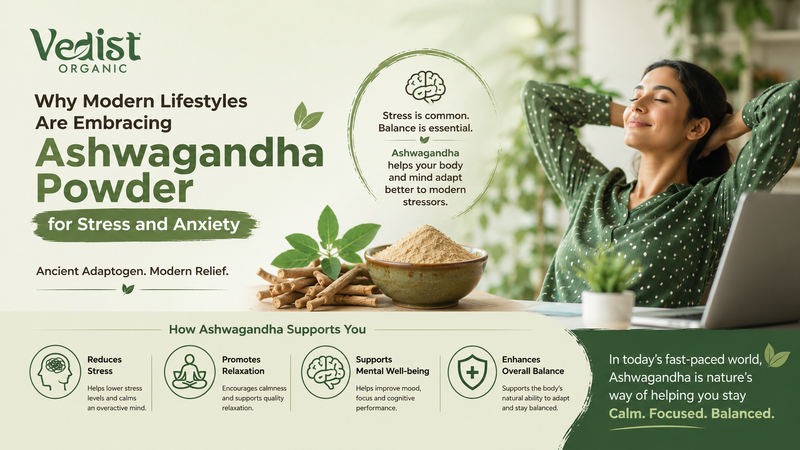
- Ashwagandha powder to manage stress-related sugar spikes
- Dalchini or cinnamon powder for natural insulin support
Diet, Lifestyle, and Best Practices
Best Foods and Nutrition
- Whole grains, millets, and legumes
- Leafy greens, vegetables, and fiber-rich foods
- Low-glycemic fruits and nuts
- Avoid refined sugar, processed foods, and sugary beverages
Exercise and Daily Routine
- Walking or cycling for at least 30 minutes daily
- Yoga and meditation to reduce stress
- Consistent sleep patterns to regulate hormones
- Staying hydrated and active throughout the day
Monitoring and Regular Check-Ups
- Regular blood sugar monitoring at home
- A1C testing every 3 to 6 months
- Periodic kidney, liver, and heart health assessments
Safety Tips
- Always consult a healthcare provider before starting any new medicine
- Natural products support, but do not replace, prescribed medicine
- Discuss possible interactions between natural remedies and conventional medications
- Follow proper dosing and avoid self-medicating
Conclusion
Choosing the best medicine for type 2 diabetes involves balancing effectiveness, side effects, and lifestyle factors. Combining conventional medicine with Ayurvedic support and healthy habits provides a holistic approach for long-term wellness.
Integrate trusted natural support from Vedist Organic Diabetes Care Collection for balanced sugar levels. With farm-fresh herbs and Ayurvedic formulations, you can manage your blood sugar the natural way.
Read Our Latest Blogs
What Causes Constipation | How To Increase Stamina | Yoga Poses For Constipation | How To Build Stamina | How To Increase Stamina Naturally | How To Increase Sex Stamina For Male | How To Check Testosterone Level | Increase Testosterone | How To Increase Testosterone In Men
Frequently Asked Questions
Q1. What is the best medicine for type 2 diabetes?
The best medicine for type 2 diabetes varies based on your blood sugar levels, age, and overall health. Common options include Metformin, SGLT2 inhibitors, and GLP-1 receptor agonists. Combining medicine with diet, exercise, and natural support provides the most effective control.
Q2. Can natural remedies replace conventional diabetes medicine?
No. Natural remedies such as Karela, Gudmar, and Jamun support blood sugar control but should be used alongside prescribed medicine for safe and effective management.
Q3. Are there side effects of diabetes medicines?
Yes. Side effects may include gastrointestinal discomfort, low blood sugar, weight gain, or mild digestive issues depending on the type of medicine used.
Q4. How long does it take for medicine to work?
Most diabetes medicines show measurable effects within a few weeks, but achieving optimal blood sugar control may take several months, especially when combined with lifestyle changes.
Q5. Can Ayurveda help in managing diabetes?
Ayurveda provides natural support for blood sugar regulation using herbs like Karela, Gudmar, Jamun, and Methi. These remedies enhance insulin sensitivity and complement conventional medicines.
Q6. Is diet important for diabetes management?
Diet plays a crucial role in controlling blood sugar. Eating low-glycemic foods, whole grains, legumes, and vegetables can significantly improve the effectiveness of the best medicine for type 2 diabetes.
Q7. Can exercise lower blood sugar?
Yes. Regular exercise improves insulin sensitivity, supports weight management, and enhances overall metabolic health, making medicines more effective in controlling blood sugar.
Q8. How do I monitor my blood sugar effectively?
Use a glucometer at home to check fasting and post-meal blood sugar levels. Track readings consistently and consult your doctor for periodic A1C testing to adjust your medicine or lifestyle strategies as needed.